Where the water is coming from
Grading against the house, gutter discharge, a plumbing leak or a genuinely high water table are four different problems with four different answers.
A crawl space problem almost always starts with water. We find where it is coming from before we seal anything, because sealing a wet space just hides the problem somewhere you cannot see it.
Family ownedOperating since 2010
Spray foam specialistsNot a general insulation reseller
Two crews, two statesNorth Georgia and North Alabama
Lawrenceville based1891 Prospect Church Road
Very few people go into their own crawl space. The signs usually show up on the floor above it.
Encapsulation works well when the space is dry or can be made dry. When it cannot, sealing it is the wrong move and we will tell you.
Grading against the house, gutter discharge, a plumbing leak or a genuinely high water table are four different problems with four different answers.
Joists, sills and subfloor get looked at for rot and for anything that needs a carpenter before we seal the space.
What happens to the existing vents, how the space is entered afterwards and whether any mechanical equipment lives down there.
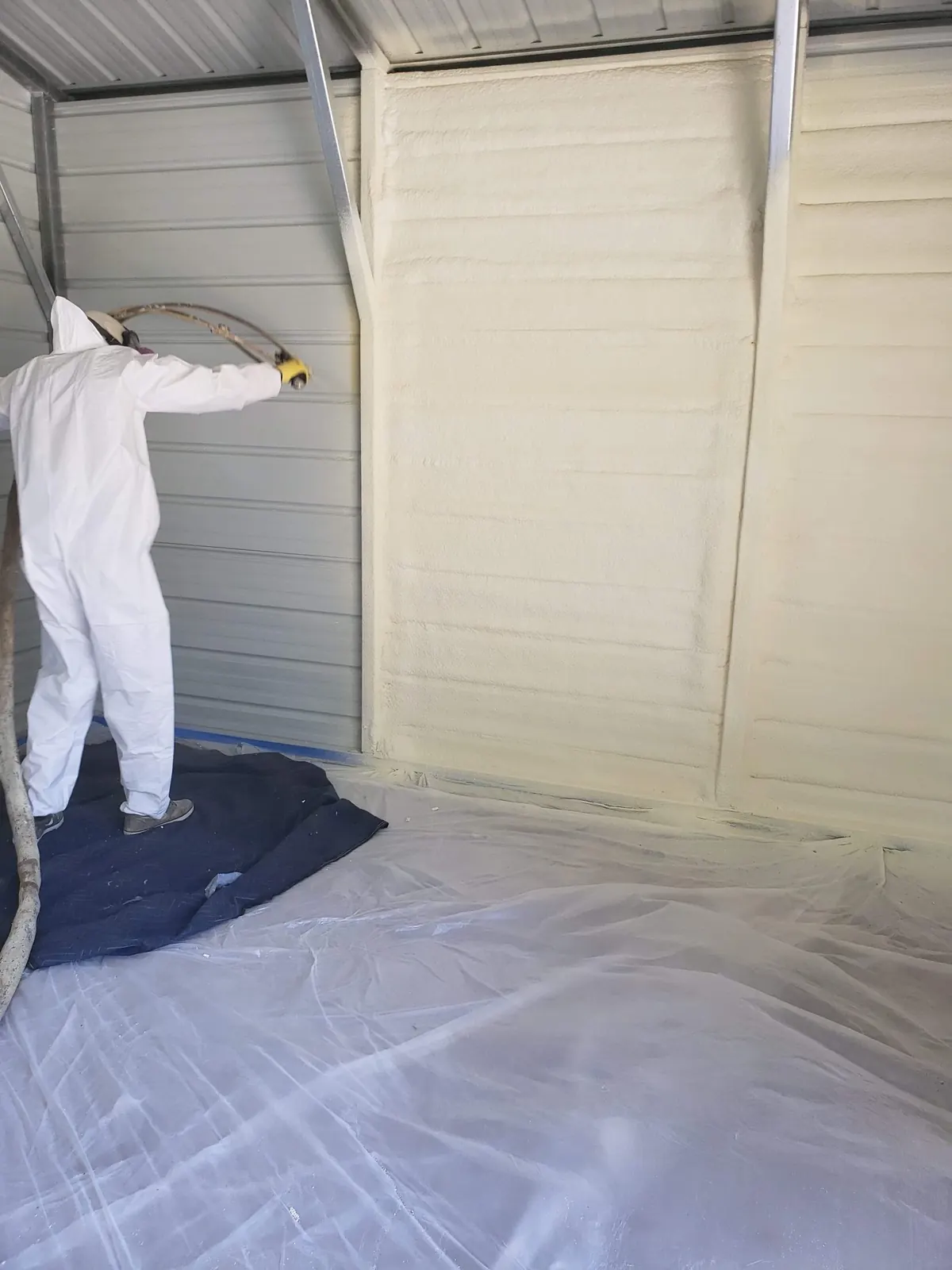
Encapsulation is a system, not a single product. The parts below get specified against the space, and not every space needs every part.
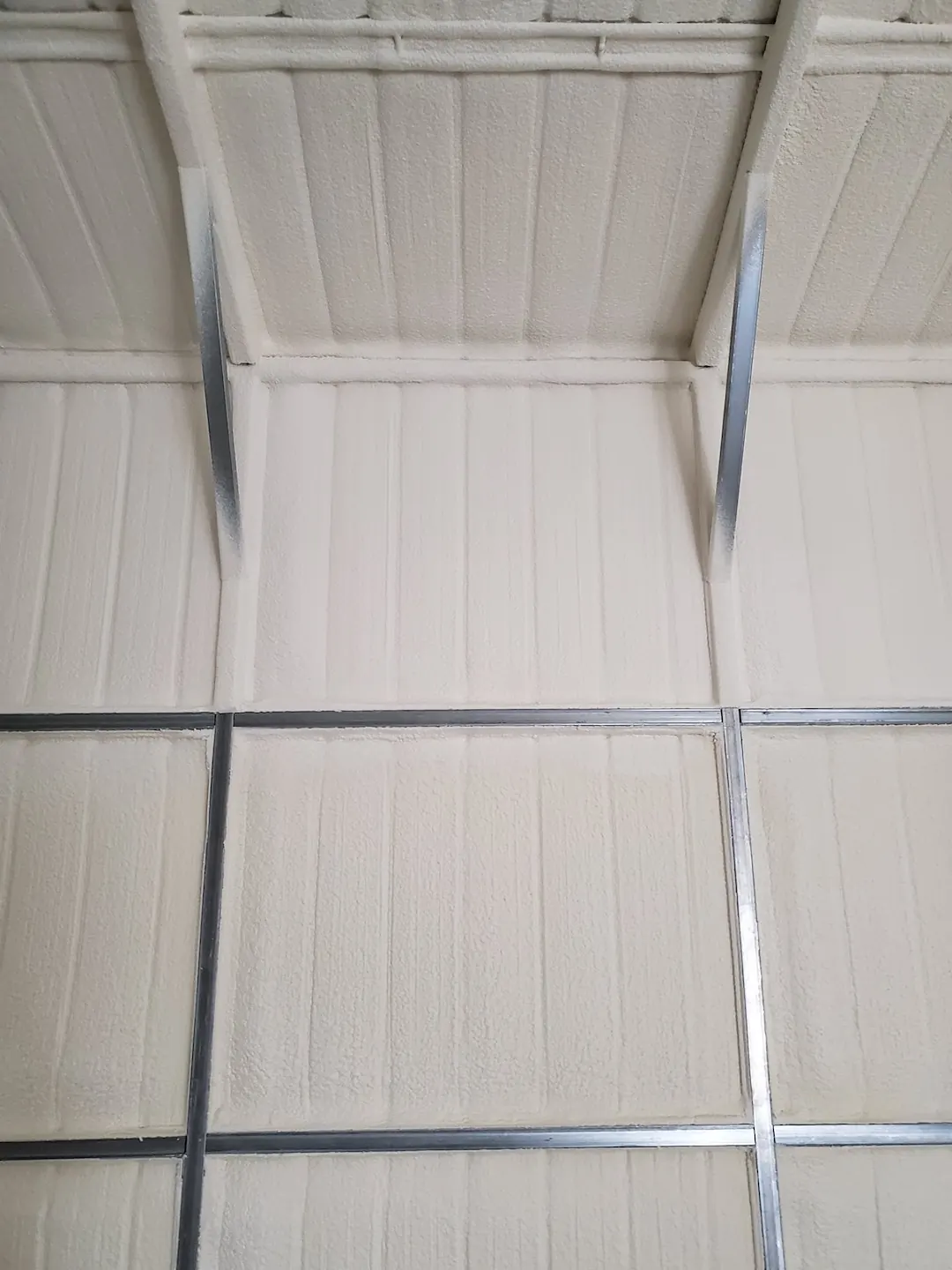
The order matters here more than on any other job we do. Water first, then seal.
The whole space, not the hatch. Ground condition, framing, vents, plumbing and any standing water.
If the water has an external cause, that gets identified and named before we quote the encapsulation.
What is sealed, what is removed, what is excluded and anything that needs another trade first.
The crew that quoted the work is the crew responsible for it.
The things owners usually want settled before they book an estimate.
It can, but only if the water source has been dealt with. If rainwater is running toward the house because of grading or gutters, or if there is a plumbing leak, sealing the space traps the moisture instead of removing it. We look for the source first, and if the fix belongs to a drainage contractor rather than to us, we will tell you that.
In a sealed crawl space, yes, that is the point of the system. In our climate, outside air brought into a cool crawl space in summer often adds moisture rather than removing it. It is part of the same decision as the encapsulation, not a separate one.
Usually. Batts hanging between floor joists in a damp crawl space have normally absorbed moisture and lost most of their value. In an encapsulated space the insulation moves to the foundation walls anyway, so the old material comes out as part of the work.
Most people do notice a difference, because the space under the floor is no longer being fed by outside air. We will not put a number on it. Comfort depends on the whole house, not on one part of it.
Yes. Access is part of the design. Plumbers, electricians and inspectors still need to get in, and the scope says how.
It depends on the size of the space, the condition of the ground, how much removal is involved, the access and whether drainage work is needed first. We do not quote it by the square foot before seeing the space, because the condition down there changes the job more than the size does.
Insulation problems rarely stay in one place. These are the areas that most often come up alongside this one.
Tell us what you are noticing on the floor above and where the property is.