
Substrate condition
The surface must be clean, sound and dry enough for proper adhesion. Rusted steel, rotten timber or a wet wall get dealt with first.
Closed cell is the denser foam. It resists moisture, it adds rigidity to what it is sprayed on, and it is what we reach for wherever water is part of the picture.
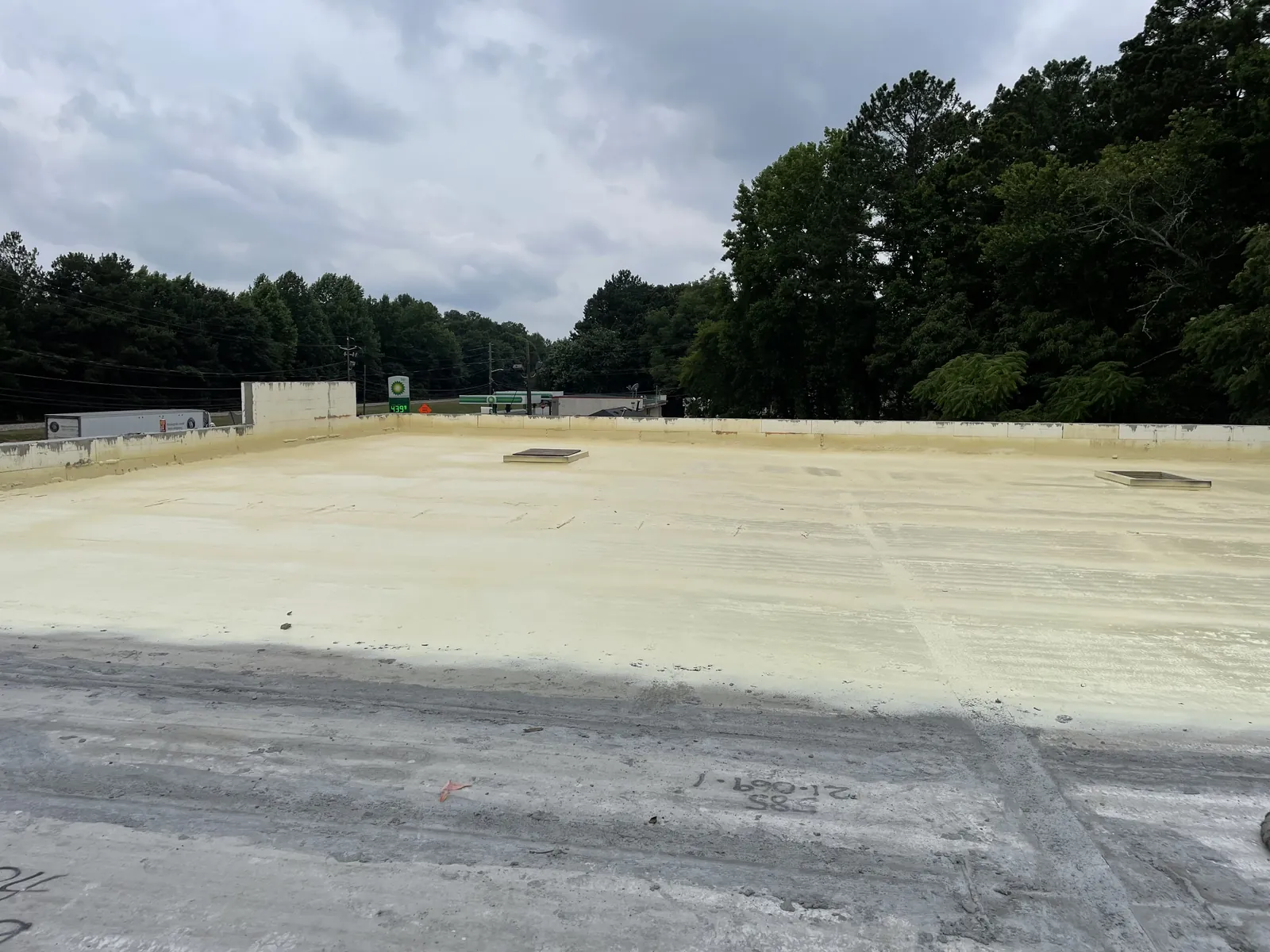
Family ownedOperating since 2010
Spray foam specialistsNot a general insulation reseller
Two crews, two statesNorth Georgia and North Alabama
Lawrenceville based1891 Prospect Church Road
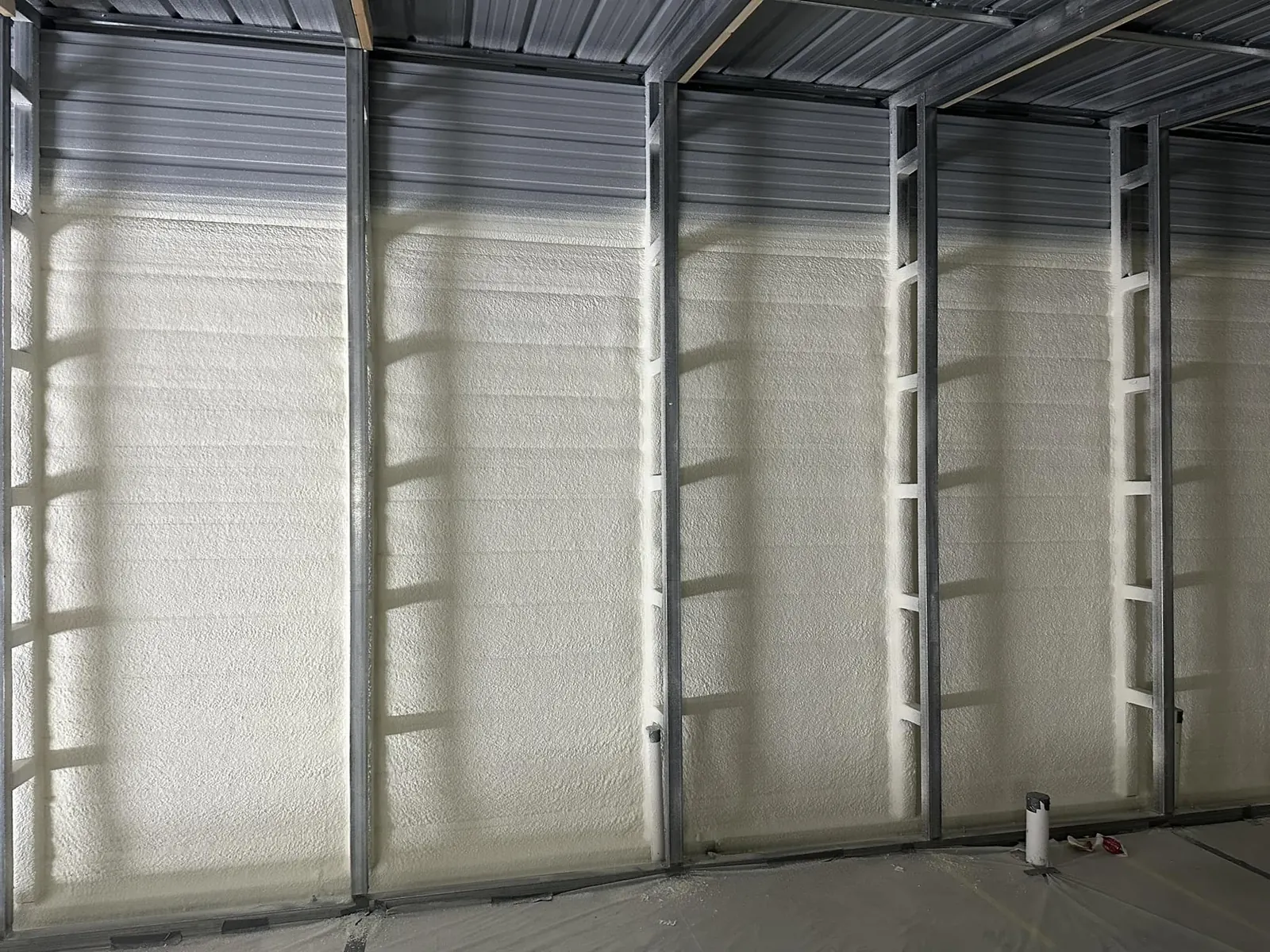
Where moisture, structure or limited depth are involved, closed cell is normally the answer.
Closed cell adheres hard and is not easily removed. Getting the substrate and the thickness right first matters more than with any other product we install.
The surface must be clean, sound and dry enough for proper adhesion. Rusted steel, rotten timber or a wet wall get dealt with first.
The required thickness comes from the assembly, the application and the code for your area. It is stated in the scope, never assumed.
Electrical, plumbing and any inspection that has to happen get sequenced before we spray, because reaching them afterwards means cutting foam.
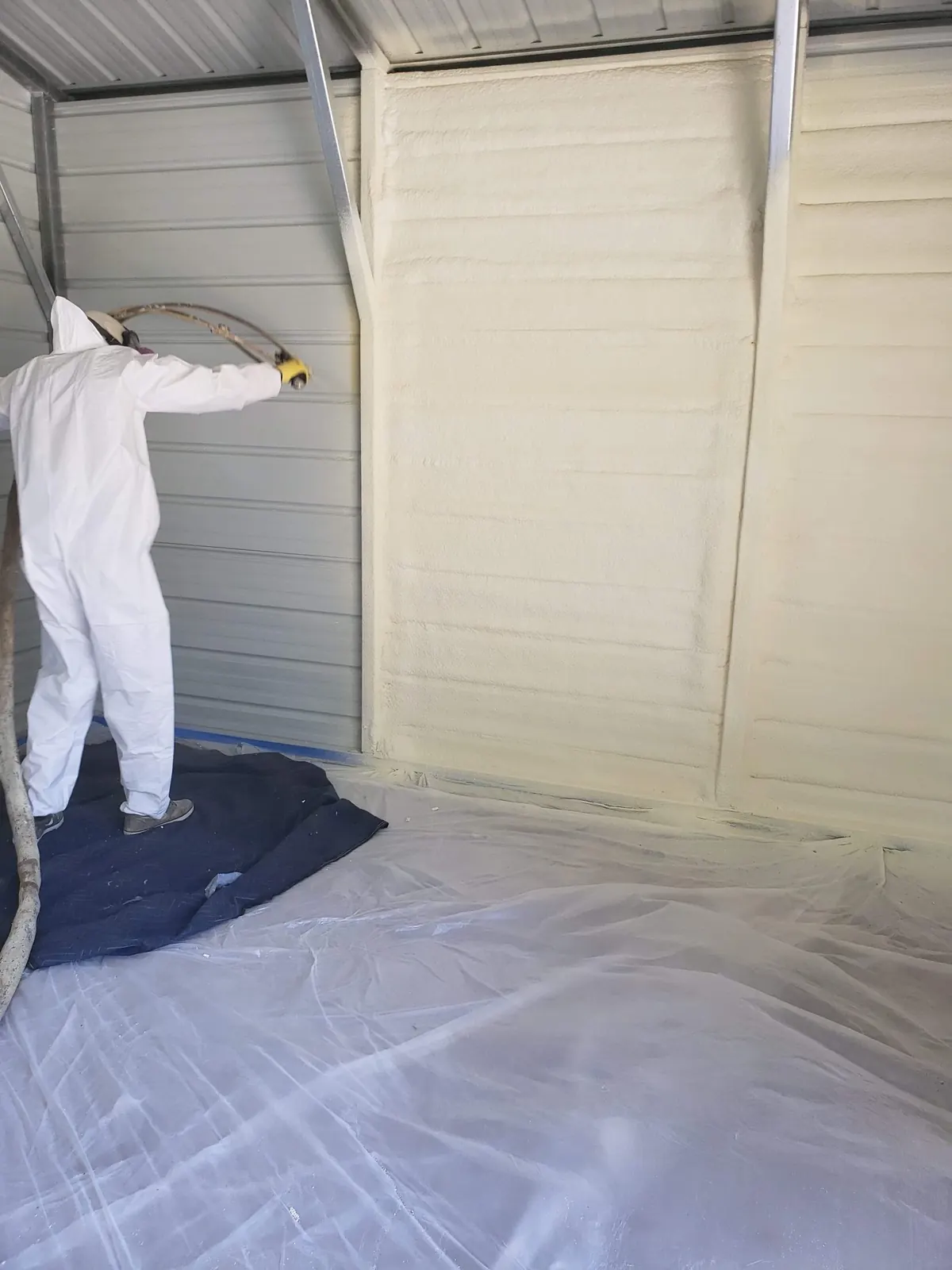
Same decision from the other side. The condition of the space is what settles it.
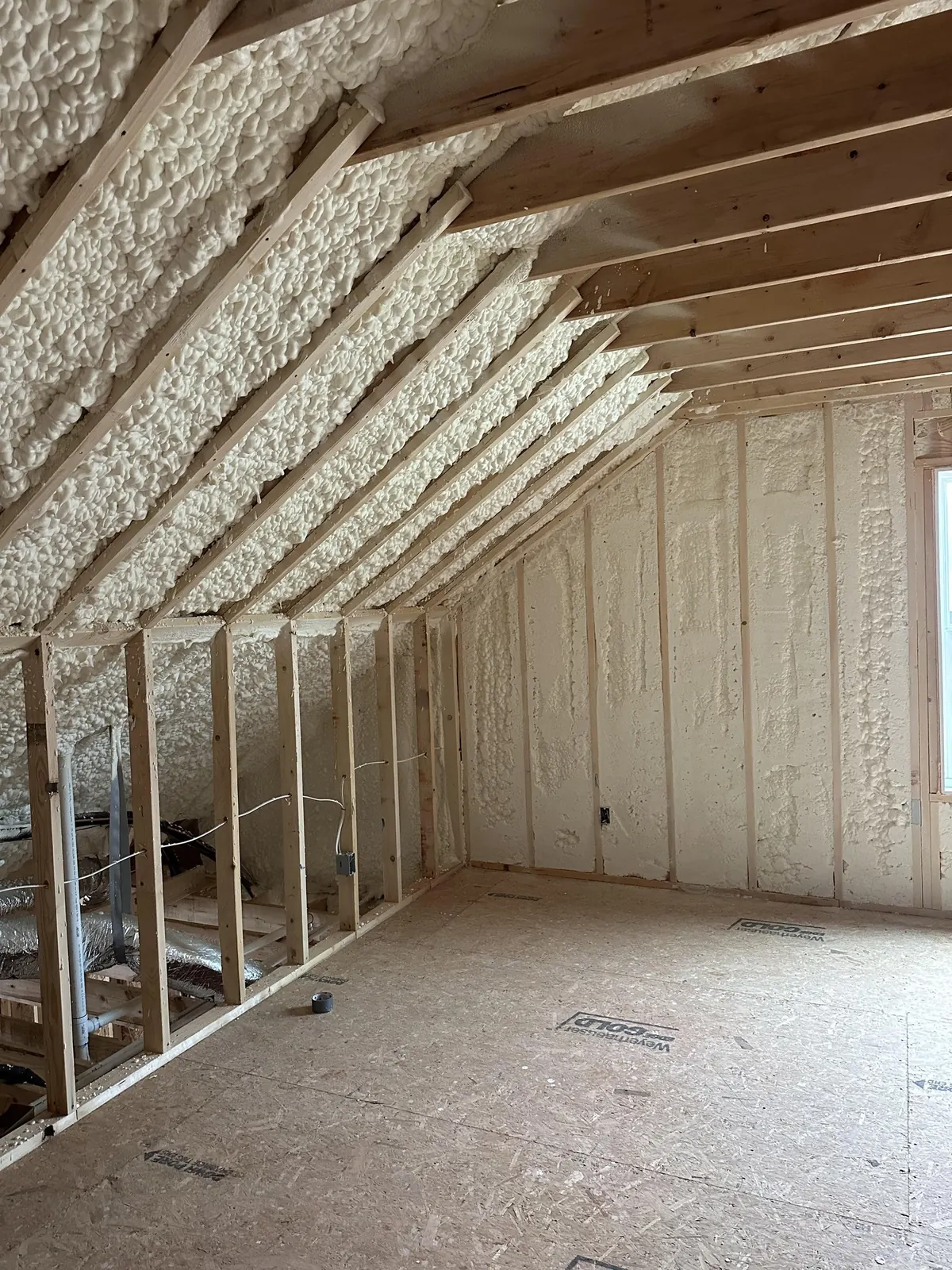
Preparation is a larger share of this job than people expect, and it is where the quality comes from.
What it is, what condition it is in and whether anything has to be fixed before foam touches it.
Against the assembly and the requirement, stated in writing rather than decided on the day.
Anything that needs to be behind the foam happens first. We say what that is.
The crew that quoted the work is the crew responsible for it.
The things owners usually want settled before they book an estimate.
Because a crawl space is a damp environment by nature. Closed-cell foam resists moisture rather than letting it pass through, and it adheres to foundation walls and rim joists well. A lighter, vapour-permeable foam in the same place would be the wrong specification.
It adds rigidity to the assembly it is bonded to, which is one reason it is used on metal buildings and pole barns. That is a property of the material, not a structural upgrade, and it is never a substitute for engineering.
It can, but it is difficult and it is messy, because it bonds hard to the substrate. That is precisely why we spend the time on the substrate and the sequencing before it goes on.
No. It costs more and it is the wrong product for some interior assemblies. Specifying it everywhere is a way of avoiding the decision rather than making it.
It depends on the application, the assembly and the code requirement where the building is. That number belongs in your written scope after we have seen the building, not in a web page.
Insulation problems rarely stay in one place. These are the areas that most often come up alongside this one.
Those are the conditions closed cell is built for. Tell us what you are working with.